


Welcome to Your PsychoEducation Library!
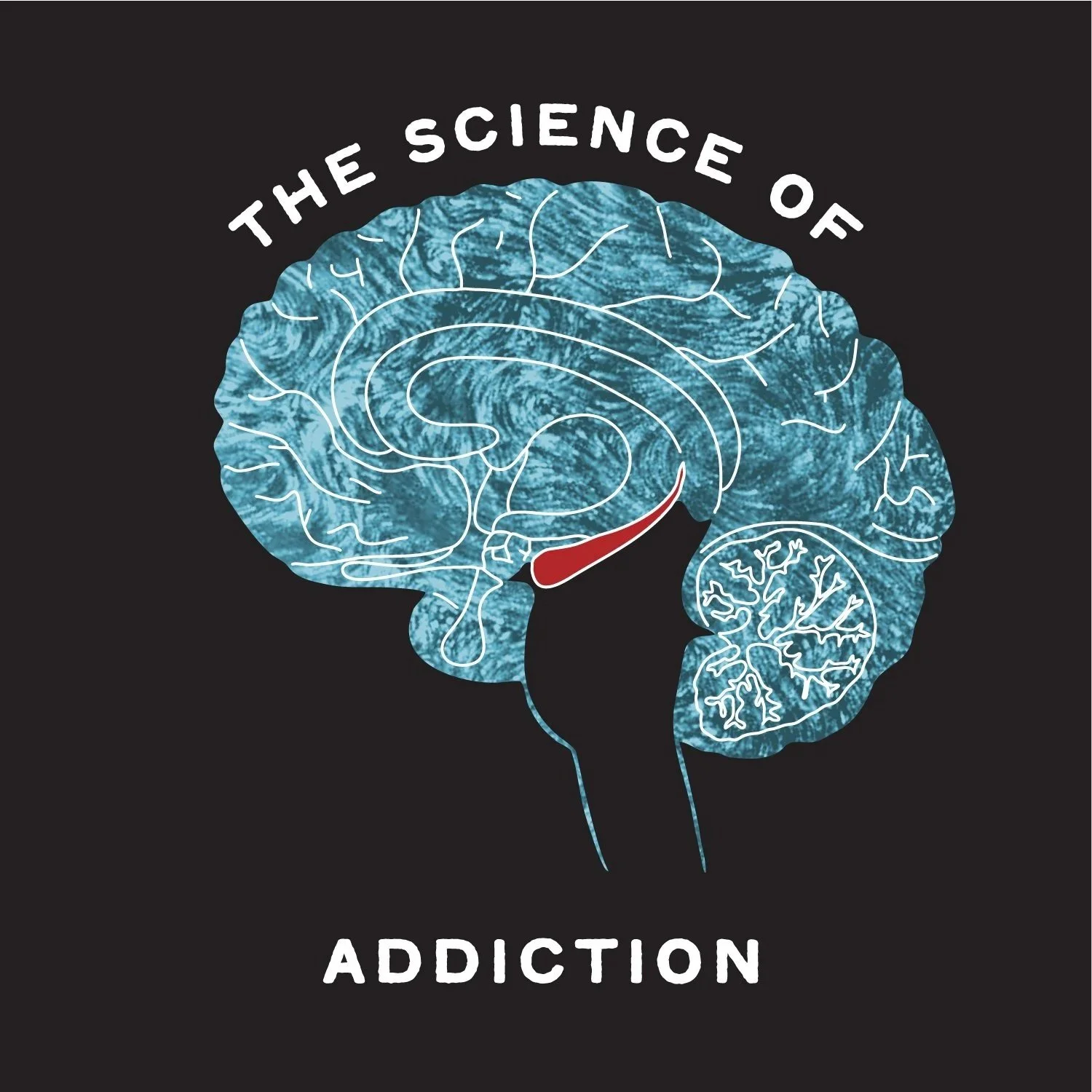
The Science of Addiction Recovery: How Sober Living Supports Lasting Sobriety
Addiction can feel like a lonely road—but recovery doesn’t have to be. If you or a loved one are navigating the path to sobriety, understanding the science behind addiction and the vital role of sober living can make all the difference.

Facts About Aging and Alcohol
As you grow older, health problems or prescribed medicines may require that you drink less alcohol or avoid it completely. You may also notice that your body’s reaction to alcohol is different than before. Some older people feel the effects of alcohol more strongly without increasing the amount they drink. This can make them more likely to have accidents such as falls, fractures, and car crashes. Also, older women are more sensitive than men to the effects of alcohol.
Other people develop a harmful reliance on alcohol later in life. Sometimes this is a result of major life changes, such as the death of a spouse or other loved one, moving to a new home, or failing health. These kinds of changes can cause loneliness, boredom, anxiety, or depression. In fact, depression in older adults often aligns with drinking too much.
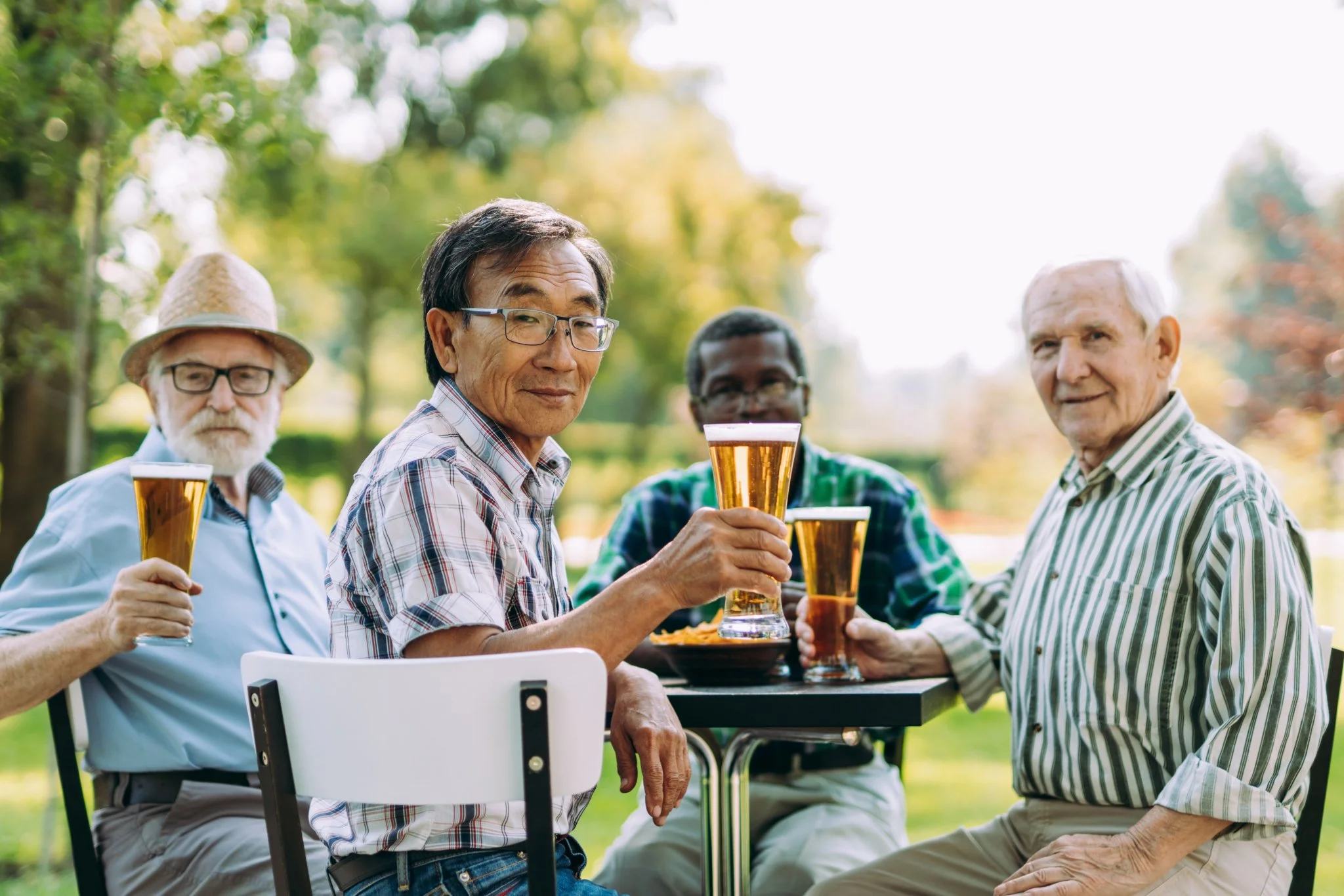
Can you become an alcoholic later in life?
Yes, a person can develop an alcohol use disorder later in life, a condition known as late-onset alcoholism.
Causes of Late-Onset Alcoholism
Major life changes: Retirement, losing a spouse, or moving to a new home can trigger heavy drinking.
Emotional distress: Loneliness, boredom, anxiety, and depression often lead older adults to drink more.
Physical health issues: Chronic pain or declining health can cause individuals to use alcohol as a coping mechanism.
Social isolation: A lack of socialization after leaving the workforce can increase the risk of unhealthy habits.

Combining Therapies To Beat Addiction
Addiction recovery is a scientifically supported process that combines behavioral therapies, medications, and personalized care to help the brain and body regain balance and prevent relapse.

Can Alcoholism Cause Psychological Trauma?
Psychological trauma occurs when a person experiences or witnesses an event that is emotionally overwhelming and leaves them feeling helpless, fearful, or unsafe. Trauma can affect the brain, emotions, relationships, and physical health. Some individuals develop post-traumatic stress disorder (PTSD), while others experience symptoms of anxiety, depression, emotional numbness, shame, or difficulty trusting others without meeting the full criteria for PTSD.
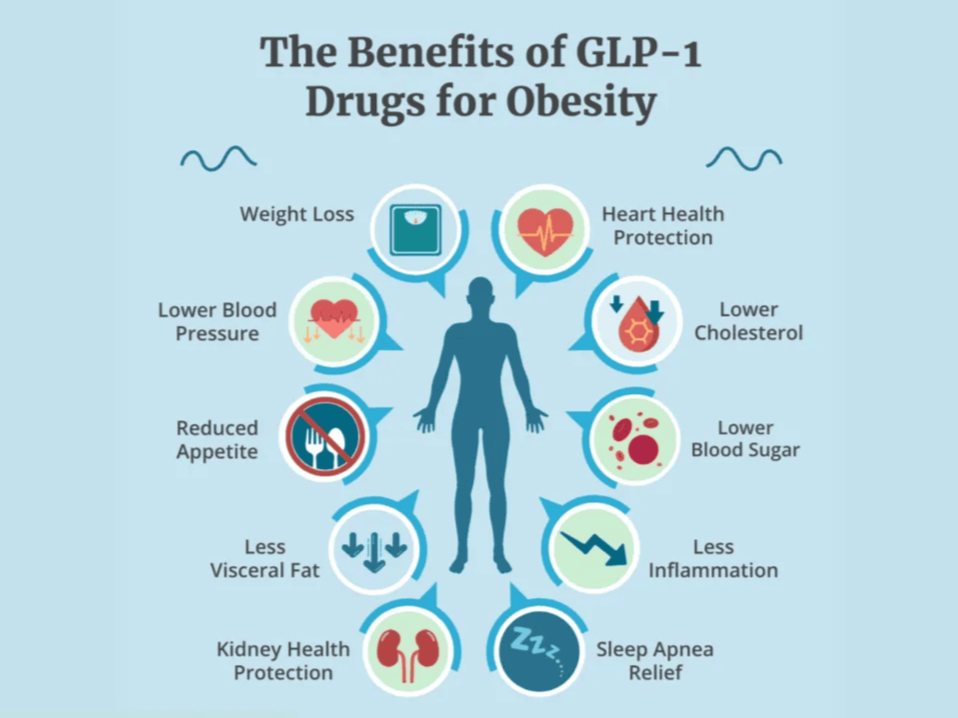
Ozempic, Trulicity, and More: 11 GLP-1 Drugs and How to Navigate Your Options
Ozempic, Trulicity, and Victoza: these Type 2 diabetes medications have been growing in popularity over the last several years. And they all belong to the same class — glucagon-like peptide-1 (GLP-1) receptor agonists. GLP-1 drugs work by triggering insulin release, reducing glucose (sugar) production in your liver, and making you feel full.
Researchers have taken interest in how these medications work to not only manage blood sugar, but help people lose weight. Today, there’s a long list of GLP-1 drugs available on the market — with more on the way.
But with all of these options, how do you decide which is right for you? Let’s get to know some of the differences between 11 GLP-1 drugs.

BRIEF2A: The Gold-Standard in Executive Function Assessment Enhances Mental Health
With the BRIEF2A, this has expanded upon the gold-standard in executive function assessment, empowering clinicians with a versatile, life-spanning tool that is highly effective when evaluating adult ADHD, neurodegenerative conditions, and other cognitive challenges. As the focus of mental health becomes more prominent, the BRIEF2A positions clinicians at the forefront of high-quality, evidence-based care.
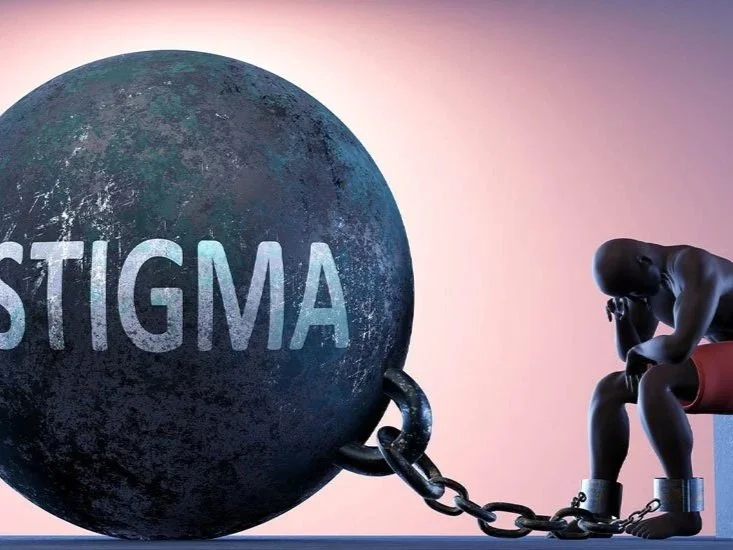
Stigma Around Mental Health
Mental health stigma refers to the negative attitudes, beliefs, stereotypes, and discriminatory behaviors directed toward individuals living with mental health conditions. Despite significant advances in research, treatment, and public awareness, stigma remains one of the greatest barriers preventing people from seeking help and achieving recovery.
Mental health stigma can take many forms. Some people may experience judgment from others, while others internalize society's negative messages and begin to believe those stereotypes about themselves. Stigma can affect relationships, employment opportunities, access to healthcare, and overall quality of life.

What Do Mental Health Counselors Do?
A mental health counselor is a trained professional with the necessary expertise to help those who are suffering from a number of disorders including anxiety or depression. An incoming client has identified that they need help in dealing with their mental health symptoms or they want to discuss a difficult life experience. This individual has identified that they have a problem and want to overcome that problem. They need your assistance in order to do so.
The need for mental well-being is everywhere: in schools, at home dealing with the loss of a loved one, or in a facility helping someone overcoming an addiction.
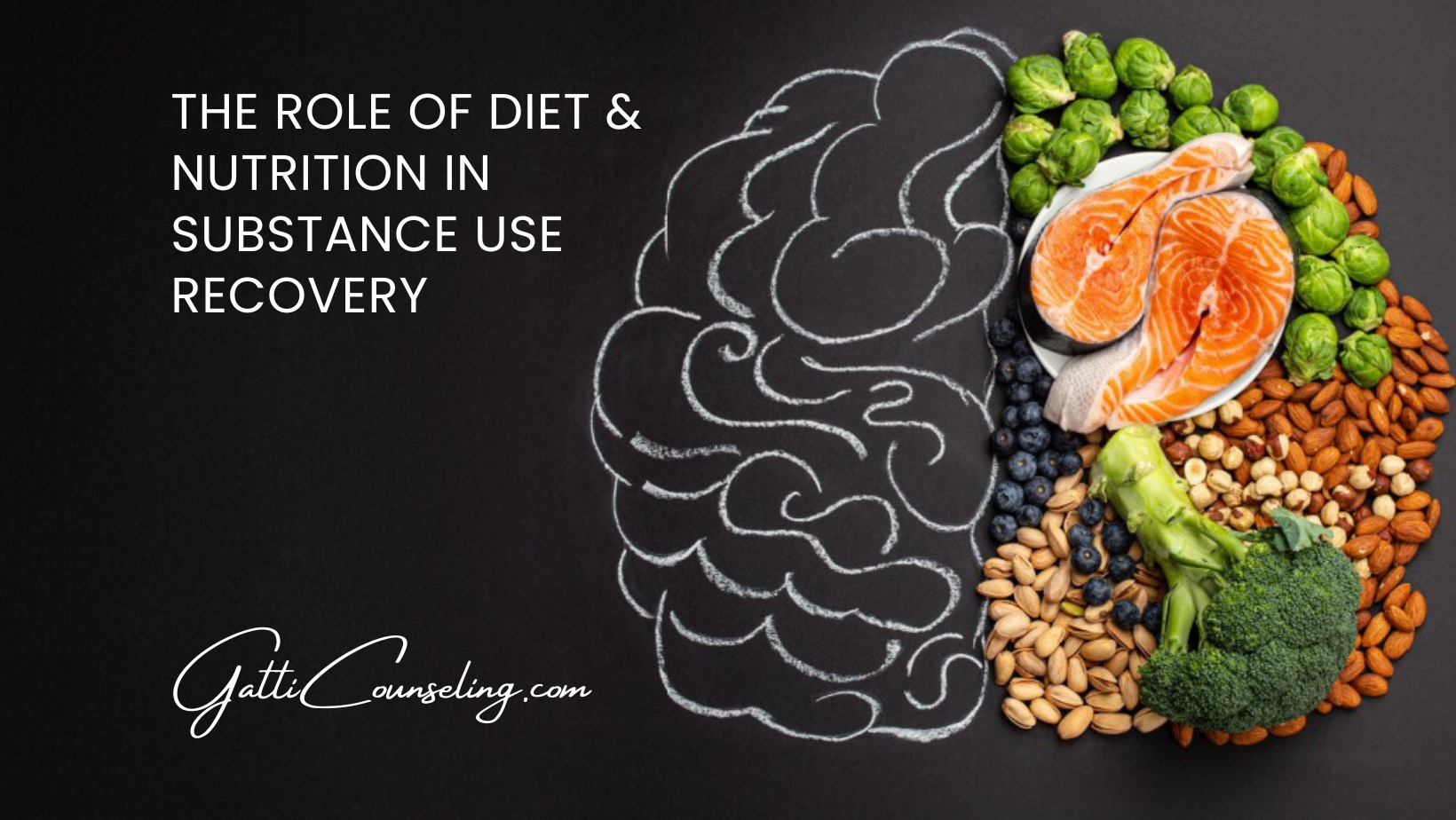
The Role of Diet & Nutrition in Substance Use Recovery
Recovery from substance use is about far more than stopping alcohol or drugs. Healing also involves rebuilding the body, restoring energy, improving mental health, and learning healthier ways to care for yourself. One of the most overlooked parts of recovery is nutrition.
Substance use affects the body in powerful ways. Drugs and alcohol can interfere with appetite, digestion, sleep, metabolism, hydration, and the body’s ability to absorb nutrients.
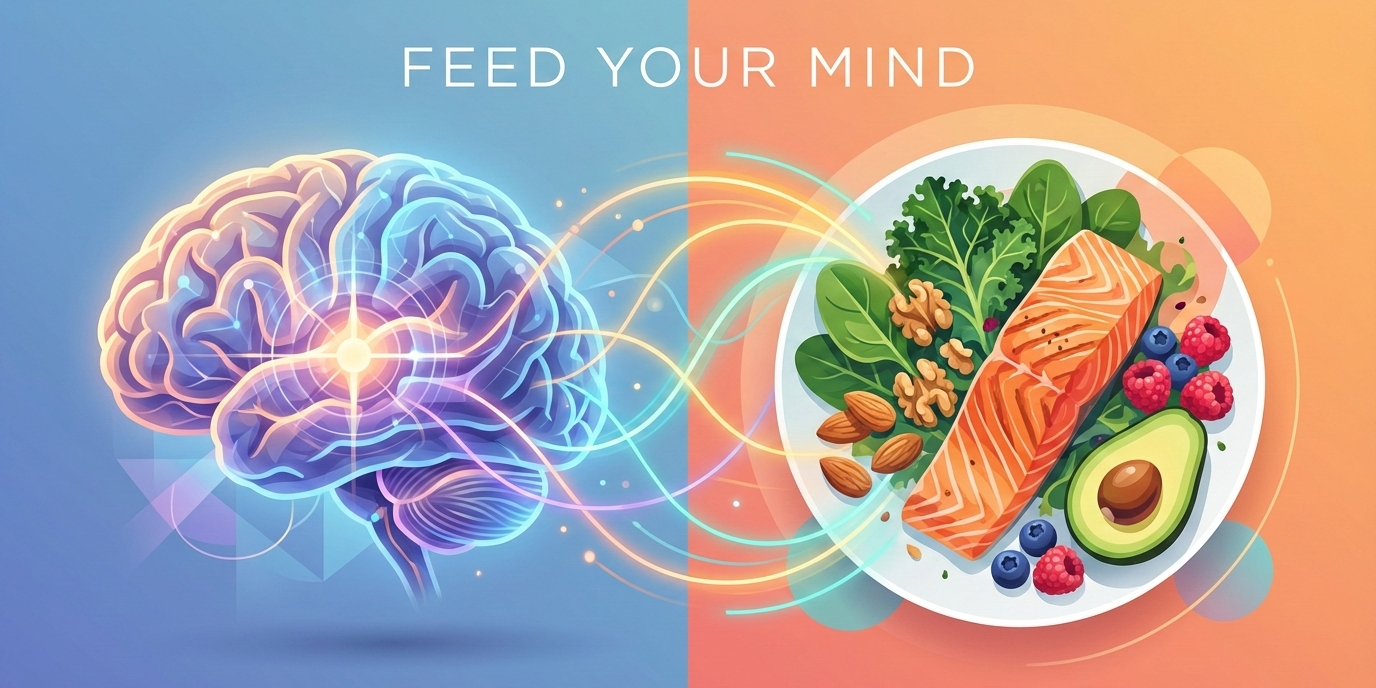
The Importance of Understanding Your Eating Habits
Learning about your relationship with food can help improve your eating behaviors and patterns. You’ve just eaten too much pizza and too many wings. And now, you’re beating yourself up for overeating and not making the smartest food decisions. We’ve all been there. It can be easy to get into a habit of self-blame, shame, guilt and regret.
But it’s important that you understand your relationship with food: The how and why of what we eat. Learning more about food psychology can help change how you view food and provide you with a set of tools and tips to improve your relationship with food.
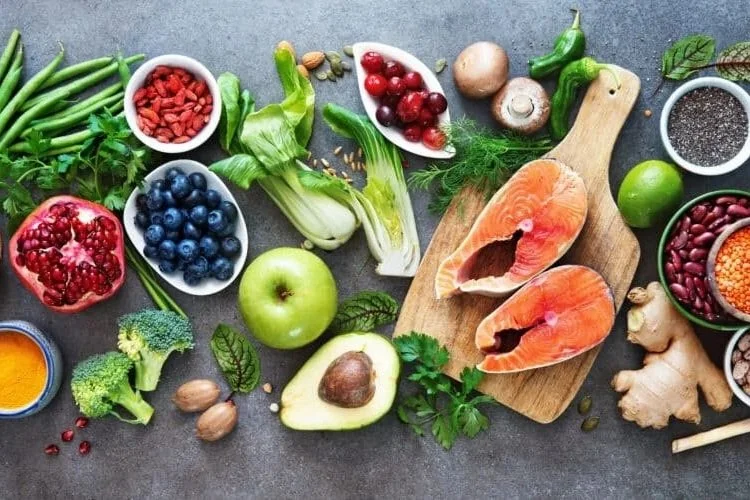
Eat These Foods to Speed Up Recovery After Surgery
Recovery speed and effectiveness after orthopedic surgery are largely determined by what we eat. Not only does our body need more calories to recover, but surgery also causes a stress reaction in the body that elevates the metabolism and increases our need for calories. If we don’t fuel our recovery with the proper foods, complications are more likely to arise. Curious what foods could help speed up your recovery after surgery? Read below for our top recommendations.