


Welcome to Your PsychoEducation Library!

Nutrition After Surgery and Calorie Needs
You’ve been injured or will be having surgery. Now you must prepare your body for the healing process ahead. Your body needs nutrients (carbohydrates, protein, fat, vitamins, minerals and water) to support the repair process. Here are a few tips to speed your recovery and make things a little easier to handle.

Psychological and Nutritional Counseling
Nutritional psychology is an exciting and evolving field that investigates the intricate bidirectional relationship between our diets and mental health. It delves into how the foods we consume influence our mood, cognition, and behaviors, while also exploring how our mental states can impact our dietary choices. By merging the principles of nutritional science with psychological insights, this discipline aims to address mental health conditions, such as depression, through dietary interventions that prioritize nutrient-dense foods over those that are processed and laden with sugar or unhealthy fats.

How to Overcome Social Anxiety
In this article, we outline ways to cope with mild social anxiety and provide helpful tips, tricks, and exercises to help you prepare for upcoming social occasions. Before we begin, it’s important to note that social anxiety differs from social anxiety disorder, which is a clinical disorder. These two can be confused with each other because they are closely related, but this post focuses on mild social anxiety only.

“I’m Not Good Enough”
Feeling like we’re “not enough” or “not good enough” is a negative mental attitude or mindset. It involves negative self-talk that is underpinned by deep-seated feelings of inadequacy and insecurity across different aspects of our lives. At its core, feeling not good enough boils down to a struggle with self-esteem and feelings of unworthiness, a belief that we don’t deserve love, family, friendships, and success in our lives.
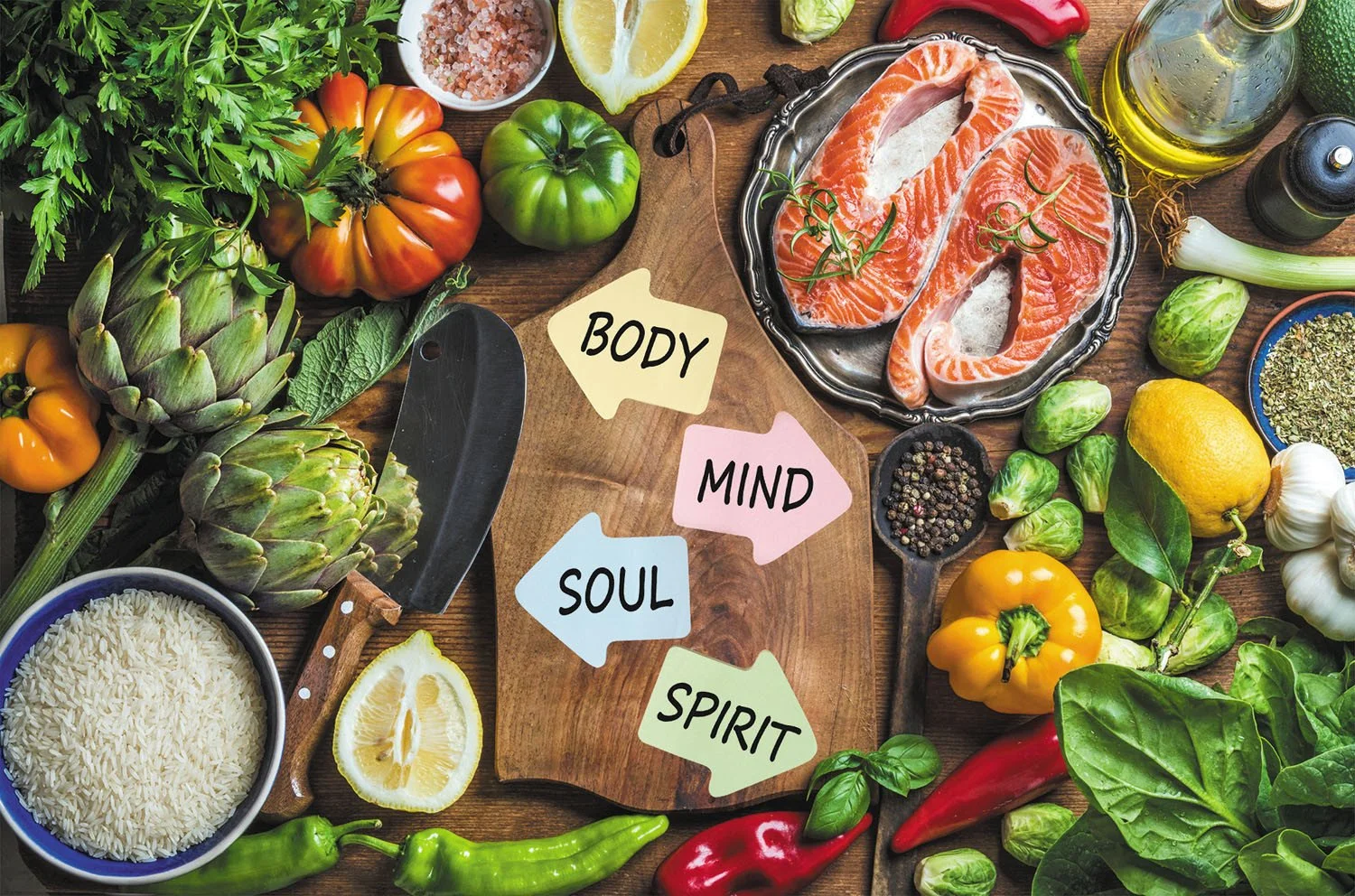
How Mental Health & Nutrition Counseling Are Linked
Nutrition and mental health counseling are intricately linked, offering a comprehensive approach to understanding the gut-brain connection. By focusing on dietary practices, these two fields work together to enhance mood, minimize inflammation, and optimize brain functionality, all while providing vital psychological support. This integrated method is particularly effective in managing various conditions, including depression, anxiety, and ADHD. It employs tailored eating strategies, emphasizes nutrient-rich foods, and promotes behavioral changes that foster overall well-being.

How Do I Know If I Need Anger Management?
Anger management is how we handle situations that make us angry. It’s also a form of cognitive behavioral therapy (sometimes, called talk therapy) that can take place in one-on-one or group counseling. You might even take an anger management class. In anger management therapy, you’ll work with a mental healthcare provider to recognize when you’re angry and develop coping skills and strategies so you can deal with these feelings in a way that’s healthy and sustainable for you. You’ll learn about:
What causes anger and how people express it.
Problem-solving and communication skills.
Relaxation techniques.

How To Control Anger by Understanding Triggers?
There are many situations when things don’t go the way we want them to. When you look outside and even inside your family, not everything happens as you wish it to happen. Other people might do certain things that go completely against your values or expectations.
There might also be times when even a small conversation triggers something deep within you. Anger is a natural emotion. One never intends to get angry unnecessarily. In most cases, we think we got angry because of a particular situation, a person, or an event.

How Nutrition Counseling Works with Therapy
You might already know that therapy can help you understand emotions, reduce anxiety, and improve your relationships. It’s a space to explore your inner world and build new skills for navigating life’s challenges. But what if the work you do in therapy could be amplified? What if your body’s biology could become a powerful ally in your emotional healing? This is where nutrition counseling comes in. It adds a physical layer of support to your emotional work, recognizing that what you eat directly affects how you feel and function. When the two work together, change often happens more fully and sustainably….
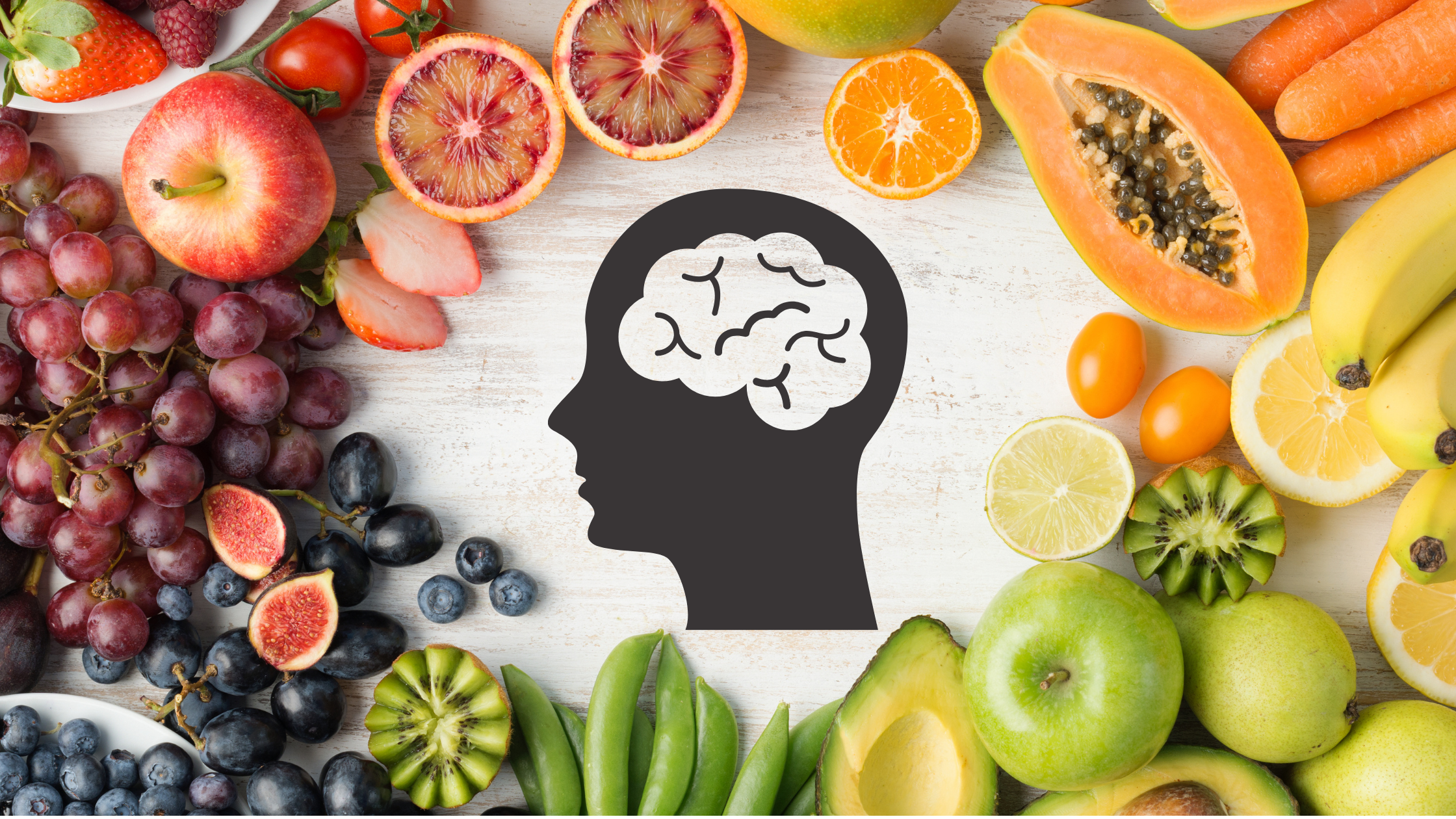
The Symbiotic Relationship Between Nutritional Counseling and Mental Health Counseling
The interplay between nutrition and mental health is undeniable. While the significance of a balanced diet in physical health is widely acknowledged, its profound impact on mental well-being often goes overlooked. However, the connection between nutrition and mental health is intricate and symbiotic, forming the foundation for comprehensive well-being. Let's delve into how nutritional counseling and mental health counseling complement each other, creating a synergistic approach to overall wellness.

How to Build Lasting Friendships
Why put effort into building new connections? Developing this skill set can have a profound impact on your mental health and overall well-being. Loneliness and isolation can lead to feelings of sadness or stress, whereas a solid social support system can uplift you and provide a sense of belonging. Here are some benefits of consistently practicing:
Increased Self-Confidence: Building meaningful connections gives you a sense of accomplishment and self-worth.
Greater Empathy and Understanding: Interacting with people from various backgrounds enriches your life and helps you see different perspectives.
Enhanced Emotional Support: Strong friendships provide a network to lean on during tough times.
Personal Growth and Resilience: Connecting with others teaches resilience and helps you grow as you learn from different life experiences.
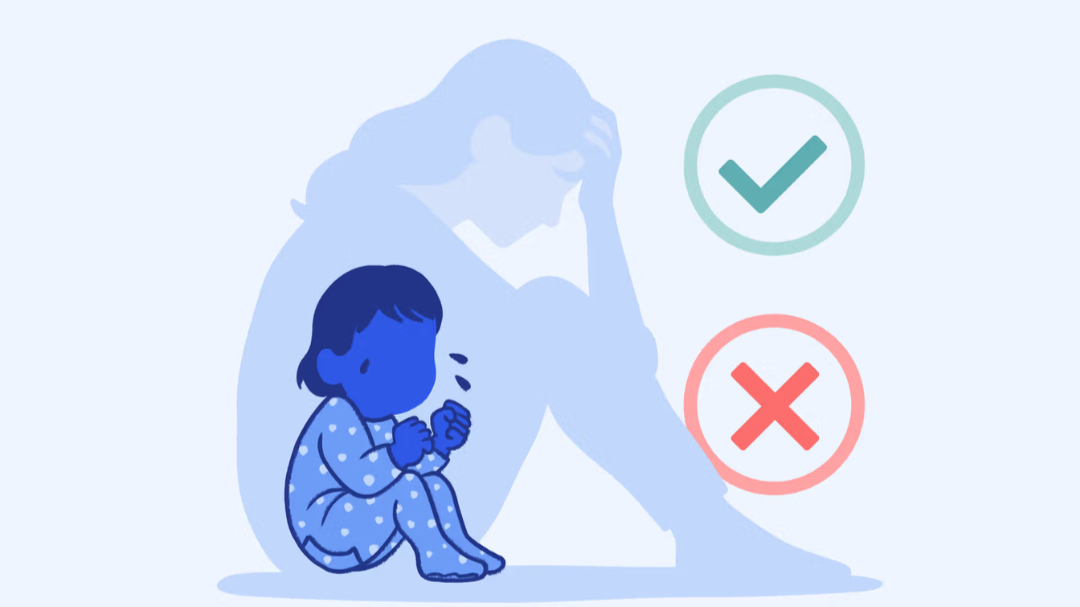
Childhood Trauma Affects You as an Adult
Childhood trauma doesn’t stay in childhood. The impacts of trauma stick with you, and you might not even realize how deeply affected you are, especially if you’ve never processed it. Even years later in adulthood, unresolved, repressed trauma can affect your mental health, relationships, and views of yourself and others –– whether you realize it or not.
If you experienced childhood trauma, you’re not alone. 61% of US adults experienced at least one adverse childhood experience (ACE) while growing up, according to national data. ACEs are negative, traumatic events that happen before age 18….

7 Best Jobs for Someone with Anxiety and Depression
If you deal with mental disorders like depression or anxiety, you’re probably very familiar with the symptoms. You may also feel like you’re constantly trying to manage your symptoms or avoid situations that leave you feeling more stressed.
Work can often be a big source of stress, making certain jobs for people with anxiety or depression difficult.
However, work doesn’t have to be a stressor making your anxiety worse. We’ll go over the best jobs for someone with anxiety and depression so you can better manage your mental health.
We’ll start with a brief overview of these two mental health conditions to help you better understand them before getting into the best jobs for someone with anxiety and depression.