Substance abuse signs & symptoms
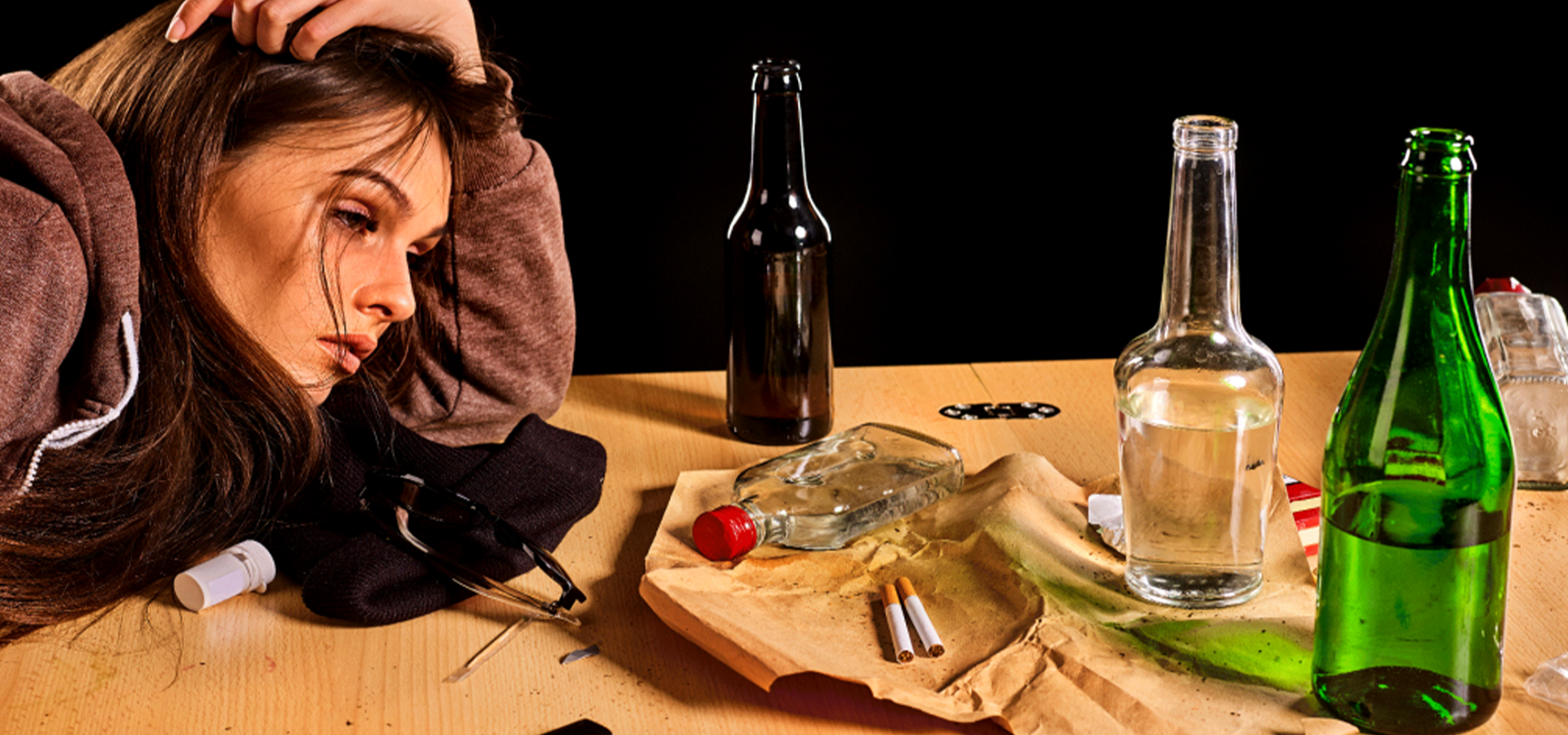
Substance use disorders occur when an individual continues using the substance, whether it’s alcohol, cocaine, prescription pain pills or other drugs, despite significant substance-related problems. A person who has a moderate or severe substance use disorder may put substance use before family, relationships and career. He or she will continue to drink or use drugs, even if it's causing problems.
It can be hard to recognize when you or someone in your life has a substance use disorder. Denial is common, but addiction can be devastating. Understanding the signs of drug addiction can help you decide if it’s time to seek help for yourself or a loved one.
Do I Have a Substance Use Problem?
A Simple Way to Think About It
“Is this helping me live my life—or getting in the way of it?”
You Don’t Have to Hit Rock Bottom
Many people wait until things feel severe before reaching out—but support can be helpful much earlier. Whether your use feels occasional, increasing, or out of control, it’s worth paying attention to.
Our Approach
We don’t believe in labels or judgment. We focus on understanding your relationship with substances, what role they play in your life, and how to help you move toward the changes you want.
Our clinicians use evidence-based approaches recommended by organizations like the American Psychiatric Association, while tailoring care to each individual. This may include:
Identifying patterns and triggers
Building healthier coping strategies
Reducing harm or working toward sobriety
Addressing underlying concerns like anxiety, trauma, or stress
Drug dependence sets in after long-term, compulsive drug use. That’s because your body starts to need higher doses of drugs in order to avoid withdrawal symptoms.
You may be dependent on drugs if you:
Crave drugs
Are unable to stop or limit drug use
Take greater amounts of drugs to feel the same effect
Have withdrawal symptoms when you stop using the drug
Spend a lot of time getting drugs and recovering from their effects
Give up activities so you can use drugs or recover from use
Use drugs even after they cause health or psychological problems
Want to stop but can’t
Alcohol Abuse and Alcoholism
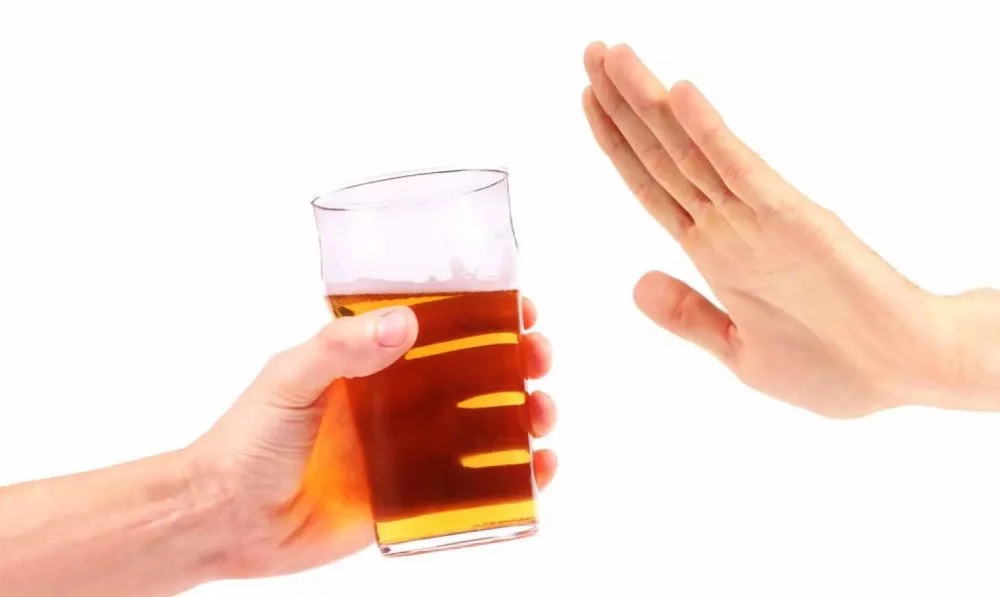
Alcohol abuse can mean Drug dependence sets in after long-term, compulsive drug use. That’s because your body starts to need higher doses of drugs in order to avoid withdrawal symptoms.
You may be dependent on drugs if you:
Crave drugs
Are unable to stop or limit drug use
Take greater amounts of drugs to feel the same effect
Have withdrawal symptoms when you stop using the drug
Spend a lot of time getting drugs and recovering from their effects
Give up activities so you can use drugs or recover from use
Use drugs even after they cause health or psychological problems
Want to stop but can’tbinge drinking, continuing to drink even after it has disrupted your life or having an unhealthy focus on alcohol.
You may be at higher risk for abusing alcohol if you:
Have easy access to alcohol
Smoke or use drugs
Suffer from depression and anxiety
Are male, especially if you have a father or brother who abused alcohol
Signs of alcohol addiction include:
Problems at work, school or home due to drinking
Risking physical safety
Trouble with the law, often due to drinking and driving
Continuing to drink despite alcohol-related problems
Alcohol abuse can lead to alcoholism. This means the body becomes physically dependent on alcohol and it can lead to physical signs of alcoholism.
Symptoms of alcoholism include:
Craving a drink regularly
Being unable to stop or limit drinking
Needing greater amounts of alcohol to feel the same effect
Withdrawal symptoms when not drinking, like nausea, sweating, shaking, anxiety, increased blood pressure or seizures
Giving up activities to drink or to recover from a hangover
Drinking even after it causes health problems
Not being able to stop drinking
Drug abuse & addiction
People who abuse drugs may be using cocaine, heroin, morphine, LSD, marijuana, sedatives, speed, PCP, ecstasy, prescription pills and other substances.
You may be at higher risk for drug abuse if you:
Suffer from social and peer pressure, depression or panic disorders
Have access to drugs
Spend time with people who take drugs
Have family members who abuse drugs
Are male
Signs of drug abuse include:
Problems at work, school or home
Using drugs even if it risks physical safety
Trouble with law enforcement that stems from drug use
Continuing to use drugs even though using them causes problems
Substance Abuse Counseling
What if I am addicted to alcohol or drugs?
Substance abuse is by no means due to a moral failing or lack of fortitude on your behalf. Instead, we should recognize addiction as a mental health problem and seek out means to compassionately and effectively treat that mental health problem. Drug abuse may lead to self-destructive behaviors and other drug abuse of different substances later down the line.
Often, the judgment of others or your own self-shaming may prevent you from getting the help you need. Ultimately, you will be the only one who can decide if the path to recovery is one that you want to take. Clinical professionals can work with people who have various personal motivations to quit, reduce, or protect themselves and others from the negative impacts of their addiction(s). When you are ready to begin the recovery process, your own personal motivations are valid.
The path to addiction recovery can begin in many ways but commonly begins with addiction treatment with a licensed clinical professional counselor or licensed clinical social worker. When speaking to a therapist, the details of your conversations are completely confidential- they will not be disclosed to anyone- including family or law enforcement- save the exception of intentions to harm someone or yourself. This means that even if you disclose your use of illicit drugs, no legal action will or can be taken by the therapist as part of the patient’s confidentiality.
Why substance abuse counseling services?
Coping with drug abuse or alcohol abuse alone can feel like an insurmountable task. However, addiction counseling can help you develop coping skills and lead to self-discovery as well as a deeper sense of understanding about yourself and your issues. Seeking treatment of any kind is the first path to recovery, and seeking therapy for your substance abuse through counseling can be a great option. Clinical mental health counseling can be highly beneficial to patients with addictions.
What can I expect from substance abuse counseling?
There are many choices for treatment when it comes to substance use counseling. Substance abuse counselors will typically meet with you and discuss what the best treatment services are for you. However, there are many commonalities between various current treatment models.
Motivational Interviewing (MI)
MI stands for motivational interviewing. This method of counseling attempts to meet you where you are in terms of your willingness to change. The interviewer will discuss with you your own personal motivations and level of motivation to work with your behaviors and change them. Many people struggling with starting substance abuse counseling are hesitant to begin the treatment process because they are particularly afraid of judgment. Unfortunately, people are often highly judgemental of those who are struggling with alcohol or other drug abuse and treat it as a personal failure of the person who has the problem. They will label people as “addicts” and judge their behavior.
By identifying and strengthening your own unique motivations for seeking to change your addictive behaviors, counselors can empower you to meet your goals – not the desires of others as they relate to your addiction(s). This is typically done in the earlier stages of addiction treatment, as after you identify your motivations and your level of willingness to change certain behaviors, you can begin to plan and center certain aspects of your life around those changes.
Treating other disorders
Research suggests that people suffering from addictive disorders often also suffer from symptoms of other mental health issues. These can include eating disorders, depression, or anxiety. Alcoholism and other drug use disorders coincide with depression, anxiety, et cetera partly because people are often unsure of how to deal with these challenges or lack the necessary coping skills. Therefore, they utilize alcohol and other drugs to cope with these complex and challenging issues. When someone is diagnosed with a separate mental illness as well as a substance abuse disorder, this is called dual diagnosis. As part of a treatment program, your counselor may seek to help you address these underlying mental health issues.
Harm reduction
Harm reduction is yet another technique for meeting clients where they’re at. Methods of counseling will help train you in methods to reduce the harm that drugs and alcohol will have on your life. This is typically more of a clinical exercise than a mental health one, but counselors are also capable of integrating this practice into their counseling. They will help you with an assessment of practices and changes in your life that you can make to help your use of drugs less harmful. This is primarily an educational process. Adopting some of the principles of HR and focusing on that education can help you with your addictions, and your abuse of substances and help give you the skills to manage these issues. You can find more information on the fundamental principles of harm reduction, on the National Harm Reduction Coalition’s website.