
The Powerful Connection Between What We Eat and Mental Health
Mental health and physical health are deeply connected. What we eat affects how we feel, think, sleep, and function each day, while our emotional well-being often influences our eating habits, energy levels, and ability to care for ourselves. Because of this connection, combining nutrition counseling with mental health counseling can create a more complete and effective approach to healing and wellness.
For many people, therapy focuses on emotional support, coping skills, and behavioral change. While these tools are essential, underlying nutritional deficiencies, inflammation, blood sugar instability, poor sleep, or chronic stress on the body can also contribute to symptoms such as anxiety, depression, fatigue, irritability, and difficulty concentrating. Addressing both the mind and body together helps support long-term emotional and physical well-being.
Why Nutrition Matters for Mental Health
The brain relies on nutrients to function properly. Vitamins, minerals, healthy fats, protein, and hydration all play an important role in mood regulation, cognitive functioning, and emotional stability. Diets high in processed foods, excessive sugar, and nutrient-poor ingredients may contribute to inflammation and worsen symptoms related to anxiety, depression, and low energy.
Research in nutritional psychiatry continues to show that nutrition can influence:
Mood and emotional regulation
Energy levels and motivation
Sleep quality
Focus and concentration
Stress response
Brain function and memory
When the body is properly nourished, individuals often experience improvements in mental clarity, emotional balance, and overall functioning.
The Benefits of Nutritional Psychotherapy
A Whole-Person Approach
Mental health challenges rarely exist in isolation. Emotional stress can lead to emotional eating, appetite changes, digestive issues, or neglecting self-care. At the same time, poor nutrition can worsen emotional symptoms and make coping more difficult. Combining counseling with nutrition support allows both the emotional and physical aspects of wellness to be addressed together.
Long-Term Behavioral Change
Many people know what healthy habits look like, but struggle to maintain them consistently. Therapy can help identify emotional triggers, patterns, stressors, and beliefs that interfere with lasting change. Nutrition counseling then provides practical tools and personalized guidance to support healthier routines in a realistic and sustainable way.
Improved Energy and Emotional Stability
Balanced nutrition may help stabilize blood sugar, reduce inflammation, improve sleep, and support hormone and neurotransmitter function. These physiological improvements can positively affect mood, emotional regulation, and daily energy levels.
Increased Self-Awareness and Resilience
Integrative care encourages individuals to become more aware of how their thoughts, emotions, behaviors, and physical health interact. This awareness can strengthen coping skills, improve self-care, and help individuals feel more empowered in their wellness journey.
Breaking the Stigma Around Mental and Physical Health
For years, mental health and physical health were often treated separately. Today, we understand that true wellness involves caring for both. Mental health is not simply “in your head,” and physical symptoms are not always purely physical. The body and mind constantly influence one another.
An integrative approach to care recognizes this connection and supports healing from multiple angles. Whether someone is struggling with anxiety, depression, chronic stress, burnout, emotional eating, or low energy, combining nutrition and mental health counseling can provide a more comprehensive path toward recovery and overall wellness.
What do you have to lose?
Healing is rarely one-dimensional. Emotional well-being, physical health, nutrition, stress management, and lifestyle habits all work together to shape how we feel and function. By integrating nutrition counseling with mental health counseling, individuals receive support that addresses the whole person—not just isolated symptoms.
When we nourish both the body and mind, we create a stronger foundation for lasting health, resilience, and personal growth.
How Nutrition Impacts Mental Health: The Science Behind Food and Emotional Wellness
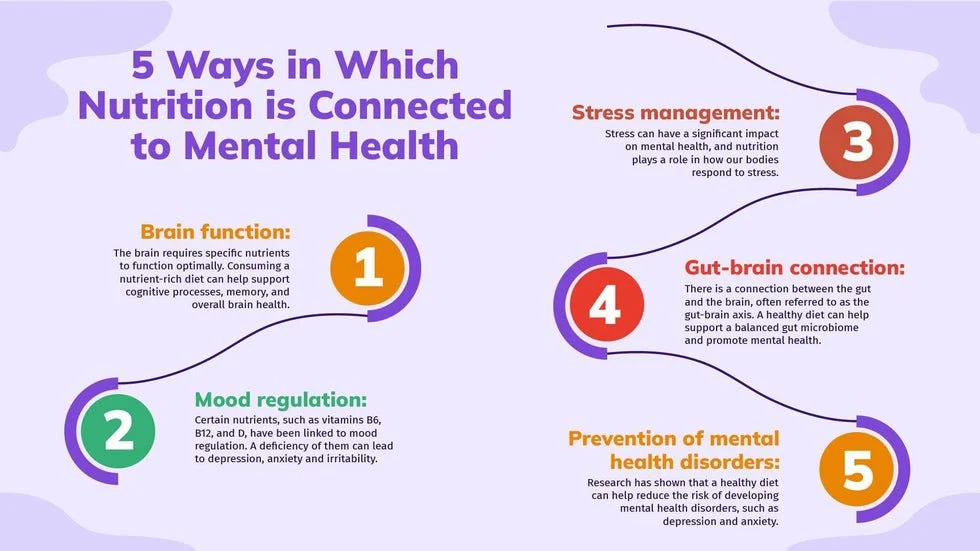
The connection between nutrition and mental health is becoming increasingly clear. Research continues to show that what we eat not only affects our physical health, but also plays a major role in mood, emotional regulation, cognitive function, stress resilience, and overall psychological well-being. While therapy, medication, and lifestyle changes remain important components of mental health treatment, nutrition has emerged as a powerful piece of the wellness puzzle.
The brain is constantly working. It regulates emotions, processes information, manages stress, controls sleep, and supports concentration, memory, and decision-making. To function properly, it requires consistent, high-quality fuel. Diets rich in nutrient-dense whole foods help support brain health, while diets high in refined sugars, ultra-processed foods, and unhealthy fats may contribute to inflammation, fatigue, mood instability, and worsening symptoms of anxiety and depression.
As research in nutritional psychiatry grows, healthcare professionals are increasingly recognizing the importance of combining nutrition support with mental health counseling to improve overall outcomes and long-term wellness.
The Relationship Between Diet and Mental Health
The foods we consume directly affect brain chemistry, hormone regulation, inflammation levels, gut health, and neurotransmitter production. Neurotransmitters such as serotonin and dopamine help regulate mood, motivation, sleep, and emotional balance. The body relies on nutrients from food to produce and regulate these chemicals effectively.
When nutrition is poor, the brain may not receive the nutrients it needs to function optimally. This can contribute to symptoms such as:
Fatigue and low energy
Brain fog and poor concentration
Increased anxiety and irritability
Mood swings
Sleep disturbances
Depression symptoms
Difficulty coping with stress
On the other hand, a balanced diet rich in vitamins, minerals, healthy fats, protein, and fiber can support emotional stability, clearer thinking, and improved resilience to stress.
The Mediterranean Diet
One of the most researched dietary patterns connected to mental health is the Mediterranean diet. This style of eating emphasizes whole, minimally processed foods and includes:
Fruits and vegetables
Whole grains
Legumes and beans
Nuts and seeds
Olive oil and healthy fats
Fish and lean proteins
Limited processed foods and added sugars
Studies have consistently linked Mediterranean-style diets to lower rates of depression, improved emotional regulation, and better overall cognitive functioning. This way of eating supports the body by reducing inflammation, stabilizing blood sugar levels, improving cardiovascular health, and nourishing the brain with essential nutrients.
Unlike restrictive dieting approaches, the Mediterranean diet focuses on balance, sustainability, and long-term wellness rather than short-term results.
How Nutrition Supports Brain Function
Reducing Inflammation
Chronic inflammation has been associated with depression, anxiety, and other mental health concerns. Diets high in processed foods, refined carbohydrates, and added sugars can increase inflammation throughout the body and brain.
Whole foods rich in antioxidants, omega-3 fatty acids, vitamins, and minerals help reduce inflammation and protect brain cells from oxidative stress. Lower inflammation levels may contribute to improved mood and emotional stability.
Stabilizing Blood Sugar
Blood sugar fluctuations can significantly impact mood, focus, and energy levels. Diets high in sugar and processed carbohydrates may cause rapid spikes and crashes in blood sugar, leading to irritability, fatigue, anxiety, and cravings.
Balanced meals that include protein, healthy fats, fiber, and complex carbohydrates help maintain stable energy and support more consistent emotional regulation throughout the day.
Supporting Neurotransmitter Production
The brain depends on nutrients to create neurotransmitters that regulate mood and stress response. Nutritional deficiencies can interfere with this process and may contribute to emotional symptoms.
Important nutrients for mental health include:
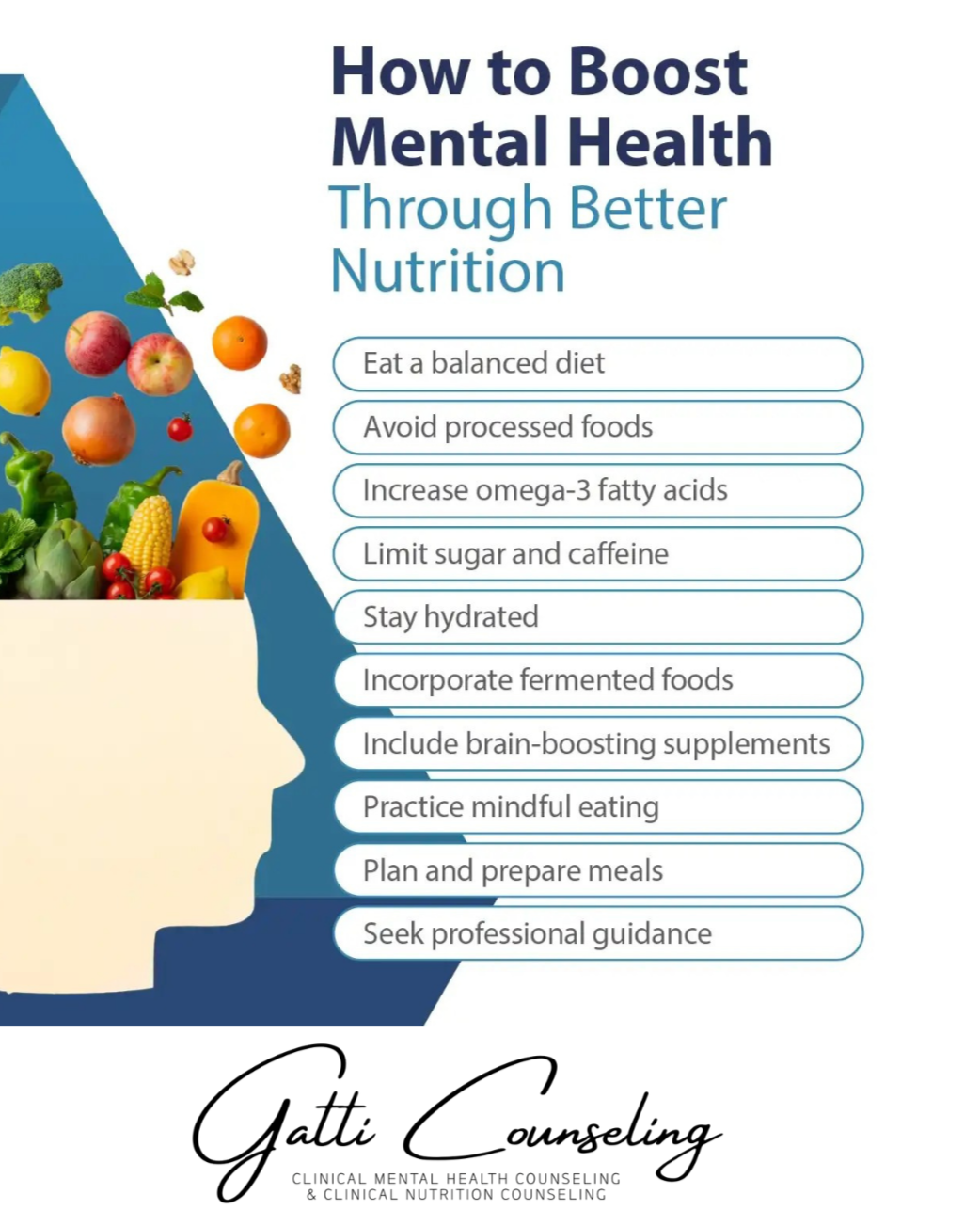
Omega-3 fatty acids – Support brain health and may reduce depression symptoms
Magnesium – Helps regulate stress and nervous system function
Folate and B vitamins – Important for mood and cognitive functioning
Vitamin D – Associated with mood regulation and emotional well-being
Iron and zinc – Support energy, focus, and neurotransmitter activity
Protein and amino acids – Provide the building blocks for brain chemicals like serotonin and dopamine
The Gut-Brain Connection
An important area of research in mental health is the gut-brain axis—the communication system between the digestive system and the brain. The gut microbiome, made up of trillions of bacteria in the digestive tract, plays a major role in both physical and emotional health.
A healthy gut microbiome supports:
Neurotransmitter production
Immune system regulation
Reduced inflammation
Stress response regulation
Emotional balance
In fact, a large percentage of serotonin—the neurotransmitter commonly associated with mood—is produced in the gut.
Diets rich in fiber, vegetables, fermented foods, and whole foods help support healthy gut bacteria, while highly processed diets may negatively affect gut health and contribute to inflammation and emotional distress.
Foods That Support Mental Health
Leafy Greens
Spinach, kale, arugula, and other leafy greens are rich in folate, magnesium, and antioxidants that support brain health and mood regulation.
Fatty Fish
Salmon, sardines, trout, and mackerel are excellent sources of omega-3 fatty acids, which have been linked to reduced symptoms of depression and improved cognitive functioning.
Berries
Blueberries, strawberries, and raspberries contain antioxidants that help protect the brain from oxidative stress and inflammation.
Nuts and Seeds
Walnuts, almonds, chia seeds, flaxseeds, and pumpkin seeds provide healthy fats, magnesium, zinc, and protein that support emotional wellness and stress management.
Whole Grains
Oats, brown rice, quinoa, and whole grain breads provide consistent energy and help stabilize blood sugar levels, reducing mood swings and fatigue.
Lean Proteins
Protein-rich foods such as eggs, chicken, fish, beans, tofu, and Greek yogurt contain amino acids that support neurotransmitter production and cognitive functioning.
Practical Ways to Improve Nutrition for Mental Wellness
Improving nutrition does not require perfection or extreme dieting. Small, consistent changes often lead to the most sustainable results.
Reduce Ultra-Processed Foods
Limiting sugary snacks, fast food, soda, and heavily processed foods can help reduce inflammation and improve overall brain function.
Increase Whole Foods
Focus on adding more fruits, vegetables, healthy fats, fiber, and nutrient-dense foods into daily meals.
Prioritize Protein
Including protein throughout the day helps stabilize blood sugar and supports energy, focus, and mood.
Stay Hydrated
Even mild dehydration can affect mood, concentration, and energy levels. Drinking enough water is an important part of mental wellness.
Plan Ahead
Meal planning, grocery lists, and preparing healthy snacks ahead of time can make nutritious choices more accessible and realistic during stressful or busy periods.
Nutrition and Mental Health Counseling Together
For many individuals, improving nutrition alone is not enough to create lasting behavioral change. Emotional stress, trauma, anxiety, depression, and unhealthy coping patterns can all impact eating habits and self-care routines.
This is where integrating mental health counseling with nutrition support becomes especially valuable. Therapy can help individuals explore emotional triggers, stress patterns, self-esteem concerns, and barriers to change, while nutrition counseling provides education, structure, and practical guidance for improving physical health.
Together, this collaborative approach supports healing on both a psychological and physiological level.
Evolution
Mental health care is evolving to recognize the powerful connection between the mind and body. Nutrition is not a replacement for therapy or medical treatment, but it is an essential component of overall wellness that can significantly influence mood, emotional resilience, focus, energy, and quality of life.
By focusing on nutrient-dense foods, reducing processed foods, supporting gut health, and building sustainable habits, individuals can create a stronger foundation for both mental and physical well-being.
When nutrition and mental health counseling work together, the result is a more holistic, compassionate, and effective approach to long-term health and healing.